
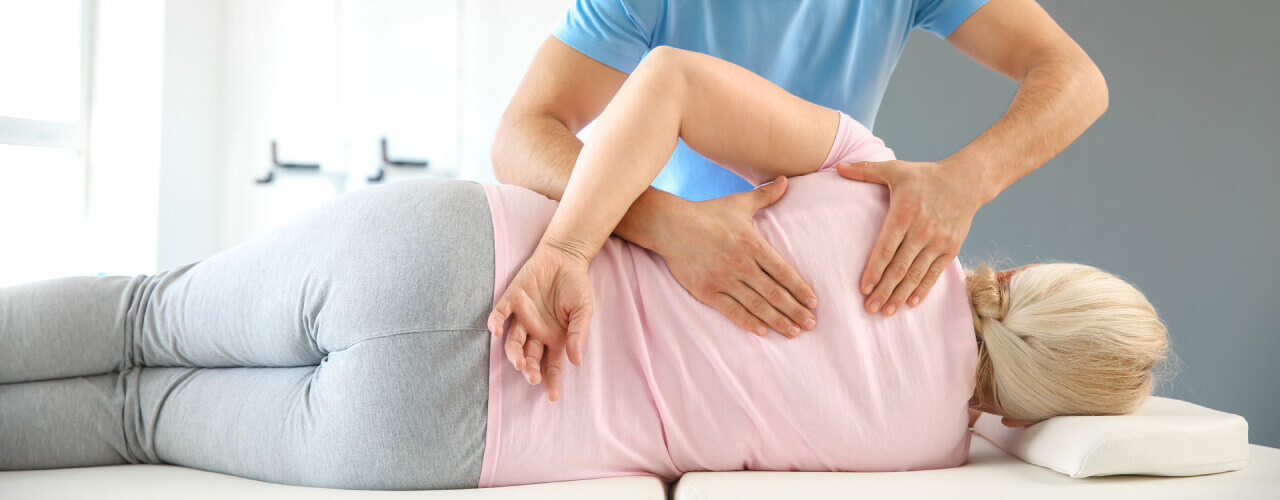

Each of your sciatic nerves runs down each leg from either side of your lower back. As a result, shooting pain on one side is a characteristic indicator of sciatica.
While compression of one of your sciatic nerves can be excruciating, it doesn’t necessarily necessitate medical intervention, yet sometimes physical therapy is your best bet to banish sciatica symptoms.
So, how can you tell when to go it alone, and when to call a physical therapist? These guidelines below will explain what exactly sciatica is and how physical therapy can help you find relief. Contact Today TheraSport Physical Therapy office.
What is sciatica?
As stated by Move Forward Physical Therapy,
“Lumbar radiculopathy (also known as sciatica or radiculitis) is a condition that occurs when a nerve in your low back is injured, pinched, or compressed, causing pain or other symptoms that can extend from the low back to the hip, leg, or foot.
Lumbar radiculopathy can be caused by sudden trauma or by long-term stress affecting structures in the back. It most often affects people aged 30 to 50 years. Risk factors for lumbar radiculopathy include repeated lifting, participating in weight-bearing sports, obesity, smoking, sedentary lifestyles, and poor posture.
The majority of lumbar radiculopathy and sciatica cases recover without surgery, and respond well to physical therapy. Physical therapists design individualized treatment programs to help people with lumbar radiculopathy reduce their pain, regain normal movement, and get back to their normal activities.”
To learn more about how to recognize when your sciatica is in need of physical therapy intervention, continue reading below.
How can I know if therapeutic intervention is necessary?
1. When the pain is a response to an injury
Mild sciatica can develop over time and possibly go on its own. However, if you develop characteristic sciatica symptoms after a vehicle accident, a significant fall, or a sports injury, you should see a doctor and a physical therapist.
Because of the larger influence on the area surrounding the sciatic nerve, the symptoms are more likely to be severe. It’s critical to assess the extent of nerve injury. Your medical team must determine whether surgery, steroid injections or prescription medicines are necessary.
Physical therapy is generally advised as part of the healing strategy, even if your condition requires more intensive treatment. Your physical therapist can assist you with your post-surgery recovery. He or she can also concentrate on maximizing the effects of your injections and sciatica medication.
Physical therapy can be a lifesaver for many people suffering from chronic or severe sciatica. You’ll learn specific exercises to strengthen your lower back. Muscles that support the area around your sciatic nerve can help prevent problems in the future. To keep sciatica symptoms at bay, you’ll also work on correcting your posture. Physical therapy for sciatica also includes increasing range of motion.
2. Your symptoms are becoming severe — or even debilitating
If your sciatic nerve becomes seriously compressed, the resulting symptoms can go from uncomfortable to quite painful – and even embarrassing.
One side of your body may feel weak and numb. Even getting your leg or foot to move gets difficult at times. If the pain comes on abruptly and with a lot of force, it’s probably time to see a physical therapist to start getting some relief.
Another telltale sign? The sciatic nerve can become compressed in the area that controls the bladder and/or bowel function.
If you lose control of either or both of these functions, you’ll obviously want to get professional help. Visit a doctor to rule out other problems. She will likely run tests, as well as refer you to a physical therapist.
3. Nothing you do makes the pain subside
There are numerous things you can do at home to alleviate a minor sciatica flare-up. A classic treatment for sciatica symptoms is to alternate between cold and heat. For each application, apply an ice pack followed by a heating pad for around 15 minutes.
A pillow between your knees while sleeping can also assist. Try a reclining chair to relieve pressure on your lower back if you can’t feel comfortable throughout the day or at night. Walking can help relieve sciatica pain, and “babying” your condition can potentially make it worse.
Yet while these methods may help with mild sciatica, there are times when a physical therapy session is a far better strategy. One sign that you should consult a physical therapist is if your home treatments are having little or no effect in reducing the pain and restricted motion.
Another is if the symptoms persist for at least a week. Of course, the worsening of pain is the most important sign that physical therapy is needed.
Call our clinic for help today
There is not one good reason to continue living in pain now that you know a PT can help you feel better. Contact us today to speak with an experienced physical therapist about how to manage – and even banish – painful sciatica flare-ups.